
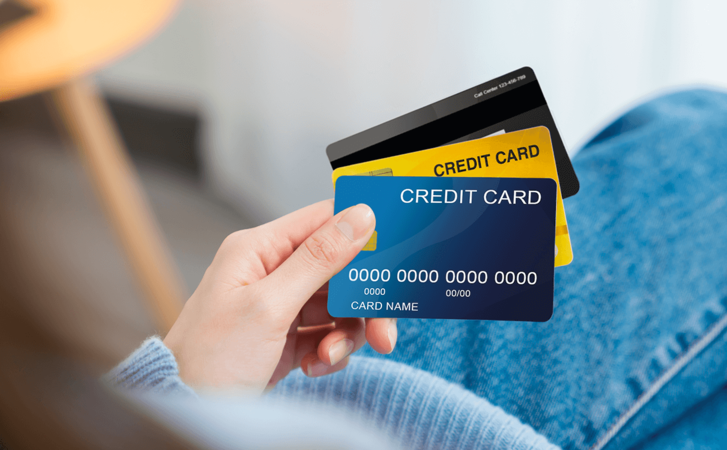
Kad kredit hanyalah salah satu produk kewangan yang menjadi alat kewangan utama bagi ramai orang. Daripada pembelian harian dan langganan bulanan hinggalah kepada pembiayaan kecemasan, kad kredit menjadikan kehidupan lebih mudah diuruskan. Namun seperti alat kewangan lain, bergantung pada cara penggunaannya, kad kredit boleh menjadi penyelamat atau punca kejatuhan kewangan. Artikel ini akan melihat dengan lebih dekat kelebihan dan kekurangan kad kredit serta pengaruhnya terhadap kewangan anda.
Manfaat Utama Kad Kredit
Kad kredit hadir dengan beberapa kelebihan menarik untuk pengguna yang bijak mengurus kredit. Daripada kemudahan pembelian harian hinggalah peluang memperoleh pulangan tunai, kad kredit merupakan pilihan yang sangat popular. Berikut ialah beberapa manfaat utama kad kredit.
Memudahkan Transaksi Kewangan Harian
Salah satu manfaat terbesar kad kredit ialah kemudahannya dalam mengurus bajet dan membuat bayaran untuk keperluan harian. Kad kredit membolehkan anda membuat pembelian di kedai fizikal atau melalui internet tanpa perlu membawa wang tunai. Sama ada anda bekerja di pejabat yang sibuk dan perlu membeli makan tengah hari dengan segera, atau sekadar membeli barang dapur mingguan, anda tentu tidak mahu tercari-cari wang tunai di dalam beg atau poket ketika juruwang sedang menunggu. Hanya satu sentuhan atau leretan kad boleh melengkapkan transaksi, dan anda boleh terus bergerak tanpa membuang masa.
Kad kredit juga mempunyai kelebihan tambahan, iaitu membolehkan anda mengeluarkan wang tunai—ini seolah-olah mempunyai pinjaman tunai ketika kecemasan. Anda boleh membayarnya kemudian (dengan kadar faedah yang biasanya lebih tinggi), walaupun anda tidak mempunyai simpanan yang mencukupi.
Penggunaannya dalam transaksi harian menjadikannya lebih praktikal berbanding membawa wang tunai yang banyak, sesuatu yang selalunya diperlukan untuk pembelian besar atau pembelian dalam talian. Dengan kad kredit, anda juga boleh mengurus perbelanjaan dengan lebih baik.
Sumber Pembiayaan Jangka Pendek
Kad kredit juga boleh berfungsi sebagai sumber pembiayaan jangka pendek dalam situasi mendesak. Jika anda perlu membeli sesuatu atau membayar bil tetapi tidak mempunyai wang tunai yang mencukupi, anda boleh menggunakan kad tersebut. Anda mempunyai masa untuk merancang pembayaran tanpa terperangkap dengan kadar faedah yang tinggi, asalkan anda melangsaikannya dengan cepat.
Jika anda perlu membeli alat ganti kereta atau membayar bil hospital, kad kredit boleh membantu anda menyelesaikan perkara tersebut tanpa perlu mengambil pinjaman peribadi. Walaupun ia hanya penyelesaian sementara, ia tetap memberi anda ruang masa untuk merancang kewangan tanpa terlalu banyak tekanan. Anda cuma perlu mengelakkan pembelian yang tidak perlu menggunakan kad kredit kerana itu hanya akan meningkatkan risiko hutang.
Menggunakan kad kredit sebagai sumber pembiayaan jangka pendek apabila anda tahu wang akan masuk ke akaun sebelum tarikh bayaran tiba boleh menjadi langkah yang baik—tetapi hanya jika anda tidak berbelanja melebihi kemampuan sebenar anda. Berbelanja sakan menggunakan kad kredit boleh menyebabkan kitaran hutang yang lebih merosakkan.
Ganjaran dan Faedah yang Ditawarkan
Penggunaan kad kredit secara kerap menawarkan satu lagi kelebihan: ganjaran dan pelbagai manfaat menarik. Banyak kad kredit mempunyai program ganjaran yang membolehkan pengguna mengumpul mata ganjaran atau pulangan tunai daripada setiap pembelian. Ini bukan sahaja memberi manfaat kewangan, malah turut menawarkan pelbagai keistimewaan lain.
Mata Ganjaran dan Pulangan Tunai
Salah satu cara kad kredit memberi ganjaran kepada pengguna ialah melalui mata ganjaran dan pulangan tunai. Mata yang anda kumpul melalui pembelian harian boleh ditebus untuk barangan, perkhidmatan atau diskaun, manakala pulangan tunai memberi anda semula sebahagian wang berdasarkan jumlah perbelanjaan anda. Terdapat kad kredit yang menawarkan sehingga 5% pulangan tunai untuk setiap pembelian, yang sememangnya sangat menarik bagi mereka yang kerap berbelanja.
Selain itu, sesetengah kad turut menawarkan promosi khas atau akses ke acara dan pengalaman eksklusif hanya untuk pemegang kad. Ini memberi lebih banyak sebab kepada pengguna untuk menggunakan kad kredit mereka dengan bijak dan aktif. Ganjaran ini membolehkan anda mendapatkan pelbagai barangan atau perkhidmatan dengan lebih mudah atau pada harga yang lebih menjimatkan.
Contohnya, kad kredit yang menawarkan pulangan tunai bagi setiap transaksi atau pengumpulan mata ganjaran secara automatik untuk semua pembelian boleh menjadikan setiap perbelanjaan anda lebih berbaloi. Setiap kali anda membuat bayaran, anda memperoleh ganjaran yang boleh ditebus kemudian. Jika digunakan dengan baik, ini boleh dianggap sebagai pendapatan tambahan dan/atau diskaun yang berguna.
Kelebihan dalam Membina Sejarah Kredit
Tidak semua manfaat kad kredit hanya dirasai dalam jangka masa pendek. Salah satu kelebihan jangka panjang memiliki kad kredit ialah potensi untuk membina sejarah kredit yang baik. Anda boleh meningkatkan skor kredit dengan menggunakan kad secara strategik dan membayar bil tepat pada masanya, dan skor yang baik sangat penting apabila anda ingin memohon pinjaman pada masa hadapan, sama ada untuk rumah atau kereta.
Sejarah kredit yang kukuh menunjukkan kepada pemberi pinjaman bahawa anda tahu mengurus wang dengan bijak, dan bahawa anda berkemungkinan besar akan membayar semula sebarang pinjaman yang diberikan. Oleh itu, jika anda menunjukkan tabiat yang baik dalam menggunakan kad kredit, anda boleh membina reputasi kewangan yang baik.
Ini bukan sahaja membantu anda apabila memohon pinjaman besar, malah memberi peluang untuk mendapatkan kadar faedah yang lebih rendah dan syarat bayaran yang lebih fleksibel. Selain itu, sejarah kredit yang baik juga memberi anda akses kepada kad lain yang menawarkan lebih banyak manfaat dan ganjaran.
Perlindungan Tambahan dengan Kad Kredit
Kad kredit menawarkan perlindungan tambahan berbanding kad debit atau wang tunai. Kebanyakan kad kredit datang dengan perlindungan pembelian—jadi jika barang yang anda beli rosak, dicuri atau langsung tidak dihantar, anda mungkin boleh mendapatkan semula wang anda.
Selain itu, banyak kad turut disertakan dengan insurans perjalanan yang melindungi anda ketika berada jauh dari rumah—bukan sahaja daripada penipuan, malah dalam pelbagai situasi semasa perjalanan, di sinilah ciri ini benar-benar berguna. Ia sangat bermanfaat apabila anda membeli barangan mahal seperti televisyen, dan juga lebih daripada sekadar jaringan keselamatan kewangan apabila anda menempah perjalanan ke London.
Satu lagi manfaat membayar menggunakan kad kredit ialah perlindungan pengguna yang datang bersama kaedah pembayaran ini. Jika anda membeli produk yang didapati rosak dalam tempoh masa tertentu, anda boleh menuntut pampasan. Anda mungkin tidak boleh berbuat demikian jika anda membayar dengan wang tunai atau kad debit, jadi kredit adalah pilihan yang lebih selamat untuk pembelian bernilai tinggi.
Kekurangan Kad Kredit yang Perlu Dipertimbangkan
Seperti yang telah kita lihat, terdapat banyak kelebihan, tetapi ada juga kelemahan kad kredit yang tidak boleh diabaikan. Jika anda tidak menggunakannya dengan bijak, anda mungkin akan menghadapi masalah besar. Mari kita lihat beberapa kekurangan kad kredit yang perlu anda fikirkan.
Risiko Hutang yang Tinggi
Mungkin kelemahan terbesar penggunaan kad kredit ialah mudah untuk mengumpul hutang yang besar. Kad kredit membolehkan anda membeli hampir apa sahaja tanpa wang tunai di dalam dompet. Namun, jika anda tidak melangsaikan jumlah yang dibelanjakan, ia boleh menjadi situasi yang berbahaya—semakin tinggi baki tertunggak, semakin tinggi faedahnya. Jika anda hanya membuat bayaran minimum, sangat mudah untuk terjerumus ke dalam masalah.
Mengambil pinjaman tunai melalui kad kredit sekali lagi boleh menimbulkan masalah hutang yang besar, kecuali jika anda mempunyai rancangan jelas untuk membayar balik wang itu dalam tempoh yang ditetapkan. Berbelanjalah secara berhemah menggunakan kad dan pinjam hanya jumlah yang anda benar-benar mampu bayar balik. Menambah hutang kad kredit bersama pinjaman tunai tanpa perancangan pembayaran yang teliti memang boleh membawa kepada masalah yang sangat serius.
Yuran dan Caj Tersembunyi
Kad kredit juga boleh melibatkan caj tersembunyi. Lazimnya, ini termasuk yuran pembayaran lewat, yuran tahunan dan caj pengeluaran tunai. Ini ialah caj yang mungkin tidak anda jangkakan dan hanya dapat diketahui jika anda membaca serta memahami terma dan syarat dengan teliti.
Untuk mengelakkan keadaan ini, pastikan anda memahami semua kos yang terlibat dan pilih kad kredit yang benar-benar sesuai dengan gaya hidup anda. Kadangkala, definisi kadar faedah yang kelihatan biasa sebenarnya boleh membawa kepada caj tersembunyi dan akhirnya menjadikan kos lebih tinggi daripada yang disangka.
Kesimpulan
Timbang dahulu kelebihan dan kekurangan kad kredit sebelum anda memutuskan untuk memohon satu. Jika digunakan dengan bijak, kad kredit boleh menjadi tambahan yang sangat baik kepada kewangan anda, membantu anda mengurus perbelanjaan harian dengan lebih baik, memperoleh ganjaran bernilai, dan membina sejarah kredit yang kukuh. Namun, jangan abaikan juga kekurangan kad kredit, termasuk risiko hutang serius dan caj tersembunyi.
Ingatlah untuk meluangkan masa membuat kajian dan menggunakan kad kredit secara bijak supaya anda tidak terperangkap dalam masalah kewangan. Berikut caranya:
- Bayar penuh baki kad kredit anda setiap bulan supaya anda dapat mengelakkan faedah yang mahal.
- Apabila memilih kad kredit, pastikan anda membaca butiran halus dan pilih kad yang memberi manfaat maksimum kepada anda.
- Gunakan kad kredit untuk pembelian yang bijak – bukan untuk perkara remeh yang akhirnya menyusahkan anda.
Kad kredit, jika digunakan dengan bijak, boleh membantu anda mengurus wang dengan lebih baik.
FAQ
Bolehkah saya menggunakan kad kredit untuk membayar bil kecemasan?
Ya, jika anda tahu cara menggunakannya dengan betul, anda boleh menggunakan kad kredit sebagai alat pembiayaan untuk membayar bil kecemasan atau membeli keperluan penting apabila anda memerlukan wang tunai dengan segera.
Adakah kad kredit menawarkan ganjaran?
Ya, banyak kad kredit menawarkan pelbagai jenis ganjaran seperti mata ganjaran yang boleh ditebus untuk barangan, atau pulangan tunai berdasarkan jumlah pembelian menggunakan kad tersebut.
Bagaimanakah kad kredit membantu membina sejarah kredit yang baik?
Bolehkah saya meningkatkan skor kredit dengan penggunaan kad kredit yang bijak, seperti membayar bil tepat pada masanya? Ya. Jika anda menggunakan kad kredit secara bijak, contohnya dengan membayar bil tepat pada waktunya, ia akan membantu meningkatkan skor kredit anda. Ini menjadikan anda kurang berisiko apabila memohon pinjaman pada masa hadapan.
Bagaimana untuk mengelakkan hutang kad kredit yang banyak?
Untuk mengelakkan hutang kad yang tinggi, bayar sepenuhnya baki anda setiap bulan dan pastikan anda hanya menggunakan kad kredit untuk perbelanjaan yang anda benar-benar mampu lunaskan.