
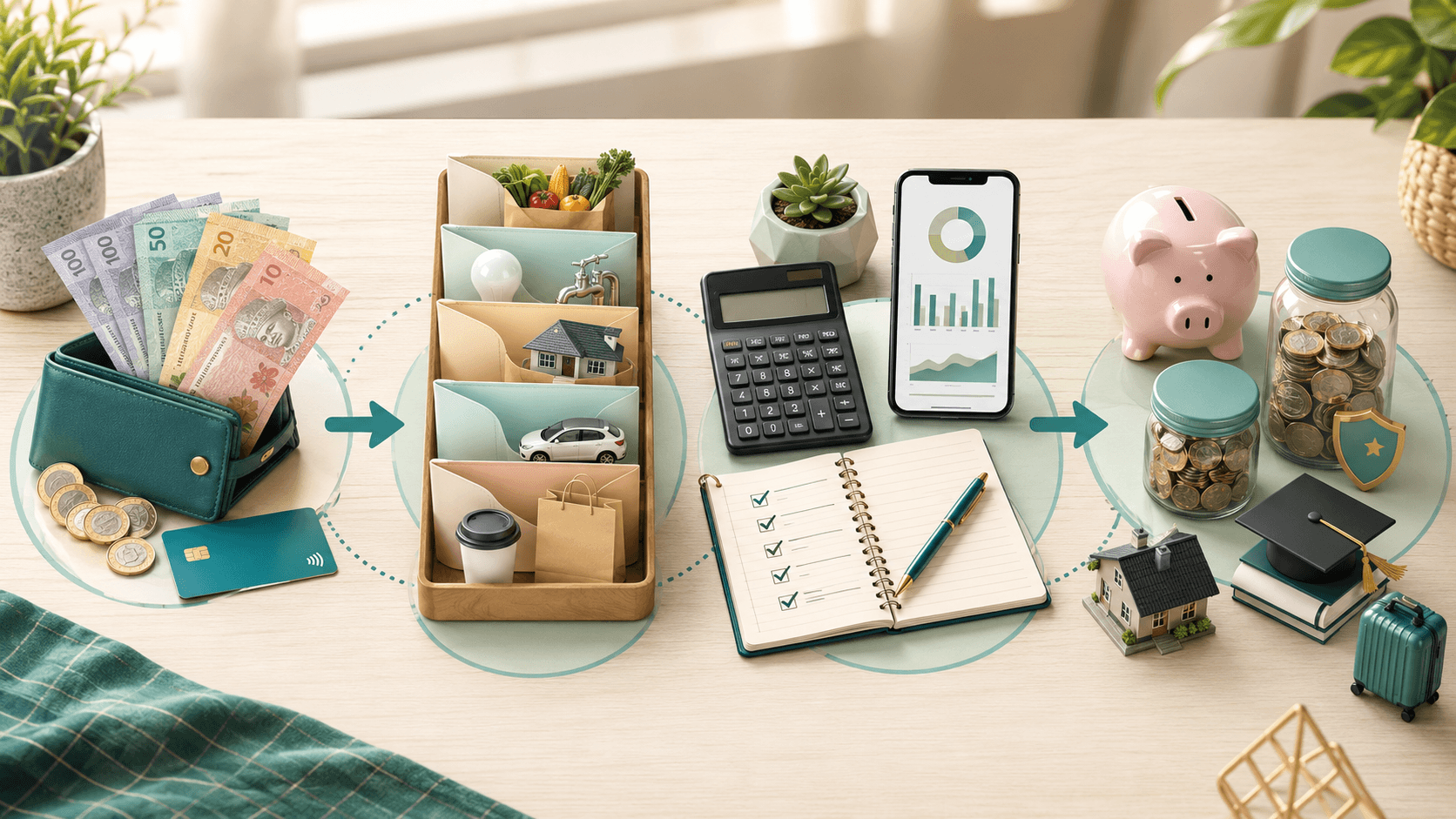
Mengetahui cara mengurus bajet ialah salah satu kemahiran kewangan paling berharga yang boleh anda bangunkan — sama ada anda sedang menjejaki perbelanjaan peribadi, mengurus kewangan isi rumah, atau menyelia perbelanjaan jabatan di tempat kerja. Pengurusan bajet yang berkesan memberi anda gambaran jelas tentang ke mana wang anda pergi, membantu anda bergerak ke arah matlamat kewangan, dan mengurangkan tekanan kewangan. Panduan ini menerangkan setiap langkah dalam proses tersebut, membandingkan teknik bajet yang paling berkesan, serta menunjukkan perkara yang perlu dilakukan apabila pelan kewangan berdepan dengan realiti harian.
Apakah Itu Bajet dan Mengapa Ia Penting?
Bajet ialah pelan berstruktur untuk memperuntukkan pendapatan kepada kategori perbelanjaan yang berbeza dalam satu tempoh tertentu — biasanya sebulan atau setahun. Ia menggabungkan data perbelanjaan terdahulu dengan unjuran yang realistik untuk membantu anda hidup atau beroperasi mengikut kemampuan, sambil berusaha mencapai matlamat kewangan tertentu.
Pada asasnya, bajet menjawab tiga soalan:
- Berapa banyak wang yang masuk?
- Berapa banyak wang yang keluar — dan ke mana ia pergi?
- Adakah baki kewangan bergerak ke arah yang betul?
Tanpa bajet, pendapatan yang sihat sekalipun boleh hilang secara senyap-senyap melalui perbelanjaan pilihan yang tidak dijejaki. Satu kajian oleh Kumpulan Wang Simpanan Pekerja (KWSP) Malaysia mendapati bahawa ramai rakyat Malaysia tidak mempunyai simpanan persaraan yang mencukupi — satu jurang yang sangat berkait rapat dengan ketiadaan perancangan kewangan yang tersusun. Bajet menutup jurang tersebut dengan menukar niat yang kabur ("Saya patut simpan lebih banyak") kepada tindakan yang jelas ("Saya akan memindahkan RM 400 ke simpanan setiap kali hari gaji").
Pengurusan bajet yang baik juga membantu anda:
- Memahami dan membentuk semula tabiat perbelanjaan anda
- Mengelakkan atau mengurangkan hutang
- Membina dana kecemasan
- Menyimpan untuk matlamat tertentu seperti pembelian rumah, pendidikan, atau perjalanan
- Mengurangkan kebimbangan kewangan dengan menggantikan ketidakpastian dengan pelan yang jelas
Langkah demi Langkah: Cara Mengurus Bajet
Membina dan mengekalkan bajet bukanlah tugas sekali sahaja. Ia merupakan kitaran merancang, menjejaki, menyemak, dan melaraskan. Lima langkah di bawah sesuai digunakan untuk kewangan peribadi serta pengurusan bajet pasukan atau jabatan di tempat kerja.
Langkah 1 — Audit pendapatan dan perbelanjaan semasa anda
Sebelum anda boleh membina bajet yang lebih baik, anda memerlukan gambaran yang jujur tentang kedudukan kewangan anda hari ini. Kumpulkan penyata bank, slip gaji, dan resit bagi tempoh dua hingga tiga bulan yang lalu. Kategorikan setiap item pendapatan dan perbelanjaan — termasuk yang kecil.
Bagi isi rumah biasa di Malaysia, kategori lazim termasuk:
- Perumahan seperti sewa atau pinjaman perumahan, utiliti, dan penyelenggaraan
- Makanan seperti barangan runcit dan makan di luar
- Pengangkutan seperti pinjaman kereta, petrol, Grab, dan tambah nilai Touch 'n Go
- Insurans dan penjagaan kesihatan
- Pendidikan dan penjagaan anak
- Langganan dan hiburan
- Simpanan dan pelaburan seperti tambah nilai KWSP, unit amanah, dan ASB
- Bayaran balik hutang seperti pinjaman peribadi dan kad kredit
Audit seperti ini sering mendedahkan perkara yang mengejutkan — langganan berulang yang anda terlupa, perbelanjaan makanan yang semakin meningkat, atau corak pembelian kecil yang sebenarnya menjadi jumlah yang besar dalam sebulan.
Langkah 2 — Tetapkan matlamat kewangan yang jelas dan realistik
Matlamat memberi tujuan kepada bajet anda. Tanpa matlamat, membuat bajet boleh terasa seperti menyekat diri. Dengan matlamat yang jelas, setiap keputusan perbelanjaan akan berkait dengan sesuatu yang benar-benar anda mahukan.
Susun matlamat anda mengikut tempoh masa:
- Jangka pendek (0–12 bulan): membina dana kecemasan RM 3,000, melangsaikan baki kad kredit, atau menyimpan untuk percutian
- Jangka sederhana (1–5 tahun): mengumpul deposit rumah, membiayai pembelian kereta tanpa pinjaman besar, atau menyimpan untuk pendidikan anak
- Jangka panjang (5+ tahun): mencapai sasaran simpanan persaraan atau mencapai kebebasan kewangan
Pastikan setiap matlamat spesifik dan mempunyai tempoh masa. "Simpan lebih banyak wang" bukanlah matlamat yang jelas. "Simpan RM 500 sebulan selama 12 bulan untuk membina dana kecemasan RM 6,000 menjelang Disember" ialah matlamat yang jelas.
Langkah 3 — Bina atau kemas kini bajet anda
Setelah anda mengetahui pendapatan, perbelanjaan, dan matlamat anda, anda boleh menyusun bajet sebenar. Mulakan dengan pendapatan bersih bulanan anda — jumlah yang masuk ke akaun selepas caruman KWSP dan potongan cukai.
Kemudian, tetapkan setiap ringgit kepada satu kategori. Perbezaan utama yang perlu dikekalkan ialah antara:
- Perbelanjaan tetap — jumlah yang sama setiap bulan seperti sewa, bayaran pinjaman, dan premium insurans
- Perbelanjaan berubah — jumlah yang turun naik seperti makanan, pengangkutan, dan utiliti
- Perbelanjaan berkala — kos yang berlaku secara tidak tetap tetapi boleh dijangka seperti servis kereta, pembaharuan insurans tahunan, dan yuran sekolah
Untuk perbelanjaan berkala, bahagikan jumlah tahunan kepada 12 dan asingkan jumlah tersebut setiap bulan. Kos servis kereta tahunan sebanyak RM 1,200 menjadi RM 100 sebulan dalam bajet anda — walaupun anda hanya membayarnya sekali setahun.
Langkah 4 — Jejaki perbelanjaan anda sepanjang bulan
Ini ialah bahagian pengurusan bajet yang paling memerlukan disiplin operasi, tetapi juga yang paling berkuasa. Penjejakan berkala menukar bajet daripada sekadar dokumen kepada alat untuk membuat keputusan.
Kaedah penjejakan yang berkesan termasuk:
- Menyemak transaksi bank dan e-dompet seperti Boost, GrabPay, dan Touch 'n Go eWallet setiap minggu
- Menggunakan aplikasi bajet untuk mengkategorikan transaksi secara automatik
- Mengekalkan hamparan mudah yang dikemas kini setiap beberapa hari
Tujuannya bukan sekadar merekod setiap transaksi selepas ia berlaku — tetapi untuk mengetahui kedudukan anda berbanding had setiap kategori sebelum anda terlebih belanja, bukan selepasnya.
Langkah 5 — Semak, laraskan, dan ulang
Pada akhir setiap bulan, luangkan 20–30 minit untuk menyemak bajet. Bandingkan perbelanjaan sebenar dengan jumlah yang dirancang dalam setiap kategori. Tanya diri anda:
- Kategori mana yang berada di bawah bajet — dan mengapa?
- Kategori mana yang melebihi bajet — dan adakah ia boleh dielakkan atau hanya berlaku sekali sahaja?
- Adakah saya semakin hampir kepada matlamat kewangan saya bulan ini?
Gunakan jawapan tersebut untuk memperhalusi bajet bulan berikutnya. Bajet yang tidak pernah berubah ialah bajet yang berhenti mencerminkan realiti. Jangkakan pelarasan — terutamanya dalam tiga bulan pertama apabila anda sedang menentukur angka anda.
Teknik Utama Pengurusan Bajet
Tiada satu kaedah bajet yang sesuai untuk semua keadaan. Pendekatan yang betul bergantung pada corak pendapatan, kerumitan kewangan, dan keperibadian anda. Di bawah ialah perbandingan tiga kaedah yang paling banyak digunakan.
|
Kaedah |
Cara ia berfungsi |
Paling sesuai untuk |
Tahap usaha |
|
Peraturan 50/30/20 |
Peruntukkan 50% daripada pendapatan bersih kepada keperluan, 30% kepada kehendak, dan 20% kepada simpanan atau bayaran balik hutang |
Pemula; pendapatan berubah-ubah; sesiapa yang mahukan rangka kerja mudah |
Rendah |
|
Bajet Berasaskan Sifar |
Setiap ringgit diberikan tujuan sehingga pendapatan ditolak perbelanjaan bersamaan sifar |
Individu yang teliti; mereka yang mempunyai margin kewangan ketat; konteks perniagaan |
Tinggi |
|
Bajet Inkremental |
Mengambil bajet tempoh sebelumnya sebagai asas dan melaraskannya mengikut peratusan berdasarkan pertumbuhan atau perubahan |
Pendapatan stabil; bajet jabatan; toleransi rendah terhadap kerumitan |
Sederhana |
Peraturan 50/30/20 dalam amalan
Katakan gaji bersih bulanan anda selepas KWSP dan cukai ialah RM 4,000. Peraturan 50/30/20 memperuntukkan pendapatan anda seperti berikut:
|
Kategori |
Peratusan |
Jumlah bulanan (RM 4,000 bersih) |
Contoh |
|
Keperluan |
50% |
RM 2,000 |
Sewa, utiliti, barangan runcit, pengangkutan, insurans |
|
Kehendak |
30% |
RM 1,200 |
Makan di luar, penstriman, membeli-belah, hobi |
|
Simpanan / Hutang |
20% |
RM 800 |
Dana kecemasan, ASB, unit amanah, bayaran balik pinjaman |
Kaedah ini sangat berguna apabila pendapatan bulanan berubah-ubah. Oleh kerana peruntukan dibuat berdasarkan peratusan, jumlahnya akan meningkat atau menurun secara automatik mengikut pendapatan anda — tanpa perlu pengiraan semula.
Bajet berasaskan sifar dalam amalan
Bajet berasaskan sifar (ZBB) memerlukan anda mewajarkan setiap perbelanjaan dari awal setiap bulan, bukannya membawa angka daripada tempoh sebelumnya. Anda bermula dengan pendapatan dan menolak perbelanjaan yang dirancang sehingga mencapai sifar — bermaksud setiap ringgit mempunyai tujuan yang ditetapkan, termasuk simpanan.
ZBB memerlukan lebih banyak masa tetapi menghasilkan ketepatan yang lebih tinggi. Ia amat berkesan untuk sesiapa yang ingin mengurangkan hutang secara agresif atau membina simpanan dengan cepat, kerana ia memaksa keputusan yang jelas bagi setiap kategori dan tidak membiarkan tabiat lama menentukan perbelanjaan secara automatik.
Alat dan Tabiat yang Membantu Bajet Kekal Berkesan
Sistem bajet terbaik ialah sistem yang benar-benar anda gunakan. Berikut ialah alat dan tingkah laku praktikal yang membantu menjadikan pengurusan bajet lebih mampan:
- Automatikkan simpanan terlebih dahulu. Tetapkan arahan tetap untuk memindahkan jumlah simpanan anda pada hari gaji — sebelum anda sempat membelanjakannya. Ini menggunakan prinsip "bayar diri sendiri dahulu", yang sentiasa disarankan dalam panduan pengguna kewangan Bank Negara Malaysia.
- Gunakan alat pengkategorian bank anda. Kebanyakan bank di Malaysia seperti Maybank, CIMB, dan RHB kini menawarkan ringkasan perbelanjaan dalam aplikasi yang mengkategorikan transaksi secara automatik — alat penjejakan percuma dan mudah yang sudah tersedia dalam telefon anda.
- Wujudkan dana penampan. Peruntukkan RM 100–200 sebulan kepada kategori "penampan" untuk perbelanjaan kecil yang tidak dijangka. Ini menghalang kejutan kecil daripada merosakkan bajet anda.
- Tetapkan semakan mingguan. Luangkan lima minit setiap hujung minggu untuk menyemak perbelanjaan setakat ini. Mengesan kategori yang mula menghampiri had bajet pada pertengahan bulan jauh lebih mudah diurus berbanding menyedari lebihan perbelanjaan pada hari terakhir.
- Pastikan bajet anda mudah dilihat. Bajet yang hanya dilihat sekali sebulan hampir tidak berguna. Tampalkan versi ringkas pada peti sejuk, skrin utama telefon, atau desktop — di mana sahaja anda biasanya membuat keputusan perbelanjaan.
Kesilapan Bajet yang Lazim Perlu Dielakkan
Bajet yang dibuat dengan niat baik sekalipun sering gagal atas sebab yang boleh dijangka. Mengetahui perangkap ini lebih awal boleh meningkatkan peluang kejayaan anda dengan ketara.
- Meremehkan perbelanjaan berubah dan tidak tetap. Orang biasanya membuat bajet untuk sewa dan bayaran pinjaman, tetapi sering terlupa merancang servis kereta, bayaran bersama perubatan, pembaharuan insurans tahunan, atau perbelanjaan musim perayaan. Masukkan semua ini ke dalam bajet bulanan anda sebagai caruman dana tenggelam.
- Membina bajet berdasarkan harapan, bukan realiti. Bajet yang dibina atas apa yang anda harap anda belanjakan — bukan apa yang sebenarnya anda belanjakan — akan gagal pada minggu pertama. Asaskan bajet awal anda pada data sejarah sebenar, kemudian laraskan secara beransur-ansur.
- Menganggap simpanan sebagai baki selepas berbelanja. Simpanan yang bergantung pada disiplin selepas semua perbelanjaan selesai jarang menjadi kenyataan. Automatikkan simpanan sebagai item tetap di bahagian atas bajet anda, bukan di bahagian paling bawah.
- Meninggalkan bajet selepas satu bulan yang buruk. Bulan di mana anda melebihi bajet makanan bukanlah kegagalan — ia ialah data. Laraskan dan teruskan. Pengurusan bajet ialah kemahiran yang bertambah baik melalui latihan, bukan ujian lulus atau gagal.
- Mengabaikan transaksi tunai dan e-dompet. Kad dan pindahan bank mudah dijejaki. Pengeluaran tunai dan tambah nilai e-dompet pula sering hilang tanpa jejak. Ambil kira setiap pengeluaran secara jelas dalam penjejakan anda.
Cara Kekal Mengikut Bajet untuk Jangka Panjang
Tiga bulan pertama membuat bajet biasanya paling mencabar. Selepas itu, tabiat mula terbentuk dan memberi kesan berganda. Beginilah rupa pengurusan bajet jangka panjang yang berkesan dalam amalan:
Semakan suku tahunan. Setiap tiga bulan, ambil langkah ke belakang dan nilai bajet anda berbanding matlamat. Adakah pendapatan atau perbelanjaan anda berubah dengan ketara? Adakah matlamat anda masih sama? Semakan suku tahunan menghalang bajet anda daripada menjadi lapuk.
Tetapan semula tahunan. Pada awal setiap tahun, bina semula bajet anda dari asas, bukannya sekadar membawa angka tahun sebelumnya. Semak gaji anda, gunakan penyata KWSP sebagai rujukan yang berguna, nilai kemajuan matlamat, dan tentukur semula semua kategori.
Raikan pencapaian. Melangsaikan hutang, mencapai sasaran simpanan, atau berjaya kekal mengikut bajet selama tiga bulan berturut-turut ialah pencapaian yang benar-benar bermakna. Hargai pencapaian tersebut — sebaik-baiknya dengan cara yang tidak melibatkan pembelian besar yang tidak dirancang.
Semak semula matlamat apabila hidup berubah. Bajet untuk seorang profesional bujang sangat berbeza daripada bajet untuk isi rumah dengan anak kecil atau pasangan yang menghampiri persaraan. Bajet anda harus berkembang seiring dengan kehidupan anda — pendapatan yang meningkat sepatutnya meningkatkan simpanan secara berkadar, bukan sekadar menaikkan perbelanjaan gaya hidup.
Akhirnya, pengurusan bajet yang berkesan bukanlah tentang sekatan semata-mata, tetapi tentang berbelanja dengan lebih sengaja. Bajet yang diurus dengan baik tidak menghalang anda daripada berbelanja untuk perkara yang anda hargai — ia menghalang anda daripada berbelanja tanpa sedar untuk perkara yang sebenarnya tidak penting bagi anda.