
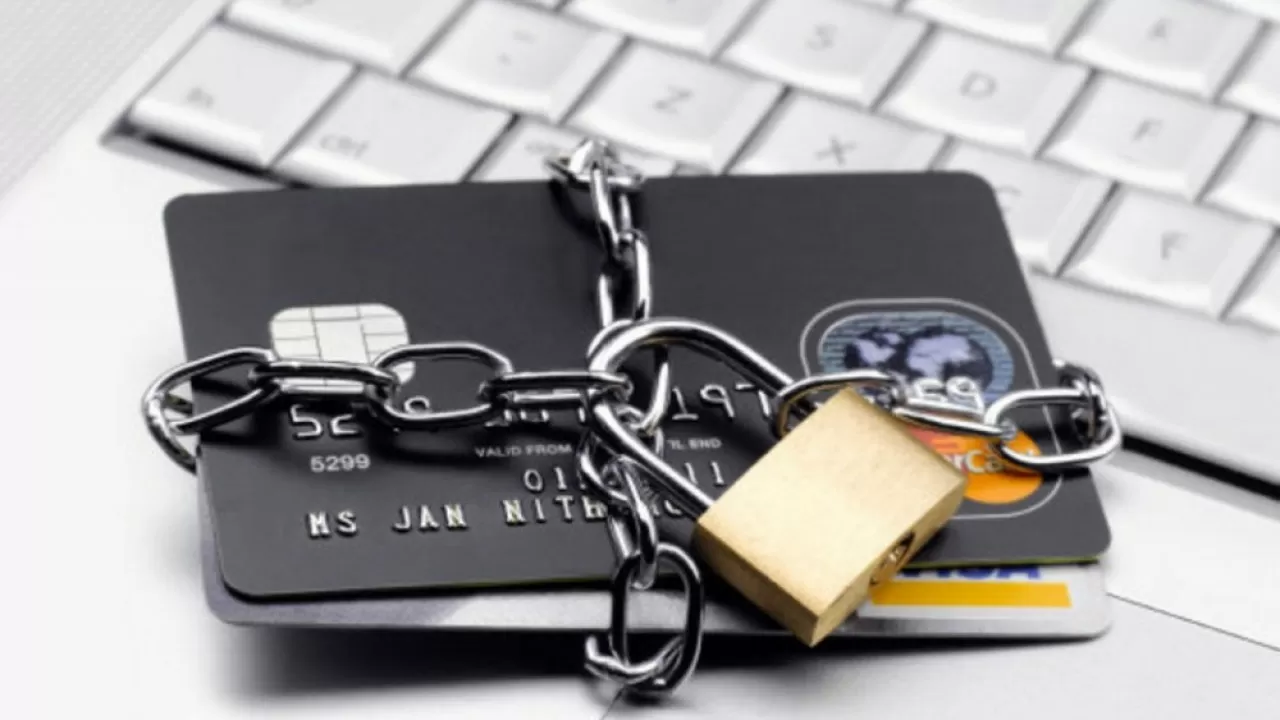
Sebagai pengguna perbankan, tiada siapa yang mahu berdepan dengan kejutan apabila mendapati akaun mereka telah dibekukan atau disekat oleh bank dan/atau pihak berkuasa. Keadaan ini boleh menjadi sangat menyusahkan kerana akses mudah kepada wang tiba-tiba terhad. Di Malaysia, terdapat banyak sebab sesuatu akaun bank boleh dibekukan oleh bank atau pihak berkuasa. Berikut ialah punca-punca biasa mengapa akaun bank anda dibekukan.
Sebab Biasa Akaun Bank Dibekukan
Akaun bank boleh dibekukan atas pelbagai sebab, sama ada ia berkaitan secara langsung dengan anda ataupun tidak. Dalam banyak keadaan, bank membekukan akaun bukan semestinya kerana sesuatu yang dilakukan oleh pengguna, tetapi atas sebab keselamatan atau berdasarkan pertimbangan mereka sendiri apabila mengesan aktiviti dana yang mencurigakan.
Transaksi Mencurigakan yang Mengancam Keselamatan Akaun
Salah satu sebab utama akaun bank dibekukan ialah disebabkan transaksi yang mencurigakan. Bank mempunyai sistem yang canggih untuk mengesan transaksi luar biasa atau tidak normal. Contohnya, jika berlaku pemindahan wang dalam jumlah besar secara tiba-tiba, atau wang dipindahkan dari negara berisiko tinggi, perkara ini boleh menimbulkan keraguan. Jika transaksi tersebut tidak sepadan dengan profil kewangan atau corak transaksi pengguna, bank mungkin membekukan akaun tersebut untuk siasatan lanjut.
Jika anda menerima sejumlah besar wang daripada orang yang tidak dikenali, atau anda melakukan transaksi yang luar biasa besar dan tidak dapat menjelaskannya, bank anda mungkin akan membekukan akaun anda atas dasar syak wasangka. Jika ini berlaku, pastikan anda segera menghubungi bank untuk mendapatkan penjelasan.
Penyalahgunaan Akaun dan Aktiviti Penipuan
Selain itu, akaun juga boleh dibekukan kerana penyalahgunaan atau penipuan — contohnya apabila nama/akaun anda dikaitkan dengan laporan penipuan, atau jika akaun tersebut disalahgunakan oleh pihak ketiga tanpa pengetahuan anda. Sebagai contoh, jika akaun anda digunakan untuk tujuan jenayah atau sebagai saluran pengubahan wang haram, akses kepada akaun anda mungkin disekat sebagai langkah pencegahan.
Jika akaun menunjukkan tanda-tanda berkaitan dengan penipuan atau disenaraikan sebagai “scam”, ia boleh menyebabkan akaun dibekukan untuk tempoh yang lebih lama.
Kegagalan eKYC dan Masalah Pengesahan Maklumat
Satu lagi sebab biasa akaun dibekukan ialah kegagalan melengkapkan proses pengesahan maklumat pelanggan, atau eKYC (electronic Know Your Customer). Sebagai contoh, jika akaun anda telah dibuka tetapi proses pengesahan seperti verifikasi identiti dan pengesahan alamat belum diselesaikan, bank boleh menyekat akaun anda. Begitu juga jika dokumen pengenalan anda tidak sah atau telah tamat tempoh.
Dalam keadaan seperti itu, anda perlu segera melengkapkan proses eKYC dan mengemaskini maklumat anda bagi mengelakkan akaun dibekukan semula. Jika anda menghadapi masalah untuk melengkapkan eKYC, bank biasanya akan memberikan butiran tentang perkara yang perlu anda lakukan.
Peranan Pihak Berkuasa dalam Pembekuan Akaun
Pembekuan akaun juga boleh dilakukan atas arahan Bank Negara Malaysia (BNM), Polis Diraja Malaysia (PDRM), atau Suruhanjaya Pencegahan Rasuah Malaysia (SPRM), khususnya jika terdapat syak wasangka pelanggaran undang-undang kewangan seperti pengubahan wang haram, penipuan dan sebagainya.
Pembekuan Akaun oleh Bank Negara Malaysia dan Agensi Penguatkuasaan Lain
Dalam usaha membanteras jenayah kewangan, Bank Negara Malaysia dan badan penguatkuasaan lain seperti PDRM atau SPRM boleh mengarahkan pembekuan akaun sebagai sebahagian daripada siasatan. Sebagai contoh, dalam kes pengubahan wang haram, Bank Negara Malaysia berhak membekukan akaun yang terlibat sebagai langkah keselamatan bagi memastikan wang tersebut tidak digunakan untuk tujuan jenayah.
Jika pihak berkuasa membekukan akaun anda, ia mungkin mengambil masa lebih lama untuk dibuka semula bergantung kepada keputusan siasatan mereka. Bagaimana anda tahu jika akaun bank anda dibekukan? Anda mungkin tidak menyedarinya serta-merta. Namun, terdapat beberapa ’tanda’ jelas bahawa akaun anda sebenarnya telah dibekukan.
Tanda-Tanda Biasa Akaun Bank Anda Dibekukan
- Transaksi Ditolak: Pemindahan wang anda ditolak walaupun akaun masih mempunyai baki mencukupi.
- Akses Perbankan Dalam Talian Terhad: Anda tidak boleh log masuk ke aplikasi bank, atau anda tidak boleh menyemak baki atau memindahkan wang.
- Notifikasi Pelik: Anda dimaklumkan bahawa akaun anda dibekukan atas sebab keselamatan.
- ATM Tidak Mengeluarkan Wang Tunai: Kad ATM masih aktif, tetapi pengeluaran tunai tidak berjaya.
Jika anda melihat mana-mana tanda ini, pastikan anda segera menghubungi bank untuk mendapatkan kepastian.
Langkah Pertama yang Perlu Diambil Apabila Akaun Anda Dibekukan
Langkah pertama apabila akaun anda dibekukan ialah mendapatkan pengesahan rasmi daripada pihak bank, serta memahami sebab ia dibekukan dan cara untuk menyelesaikan keadaan tersebut.
- Hubungi bank dengan segera: Gunakan saluran rasmi untuk mengetahui apa yang berlaku kepada akaun anda.
- Kunjungi cawangan bank: Bawa kad pengenalan dan apa-apa dokumen sokongan yang berkaitan.
Berapa Lama Masa yang Diambil untuk Membuka Semula Akaun yang Dibekukan?
Masa yang diambil bergantung secara langsung kepada sebab pembekuan. Jika akaun dibekukan kerana transaksi mencurigakan baru-baru ini, kegagalan eKYC dan sebagainya, proses membuka semula akaun mungkin mengambil masa sekitar 1 hingga 7 hari bekerja.
Namun, jika akaun anda dibekukan atas arahan pihak berkuasa, proses untuk membukanya semula mungkin mengambil masa lebih lama bergantung pada hasil siasatan. Jika anda benar-benar memerlukan wang tunai, anda boleh mempertimbangkan untuk mendapatkan pinjaman tunai daripada penyedia kewangan yang sah seperti Amanahkredit.
Langkah Pencegahan untuk Memastikan Akaun Anda Tidak Dibekukan
Seperti kata pepatah, mencegah lebih baik daripada merawat. Berikut ialah beberapa langkah yang boleh anda ambil untuk memastikan akaun bank anda tidak dibekukan:
- Jangan Benarkan Orang Lain Menggunakan Akaun Anda: Jangan beri orang lain akses kepada akaun anda.
- Notifikasi Transaksi: Aktifkan notifikasi SMS atau e-mel bagi setiap transaksi masuk dan keluar.
- Kemas Kini Maklumat Anda Secara Berkala: Pastikan maklumat peribadi dan dokumen anda sentiasa terkini untuk mengelakkan pembekuan akibat eKYC yang tidak lengkap.
- Gunakan untuk Transaksi yang Sah: Elakkan menerima wang daripada orang tidak dikenali, dan jangan gunakan akaun untuk aktiviti haram seperti pengubahan wang haram dan sebagainya.
- Periksa Baki Anda Dengan Kerap: Semak akaun anda secara berkala supaya anda dapat mengesan sebarang aktiviti yang mencurigakan.
Dengan mengambil langkah-langkah ini, anda boleh mengurangkan risiko akaun anda dibekukan dan memastikan keselamatan kewangan anda.